
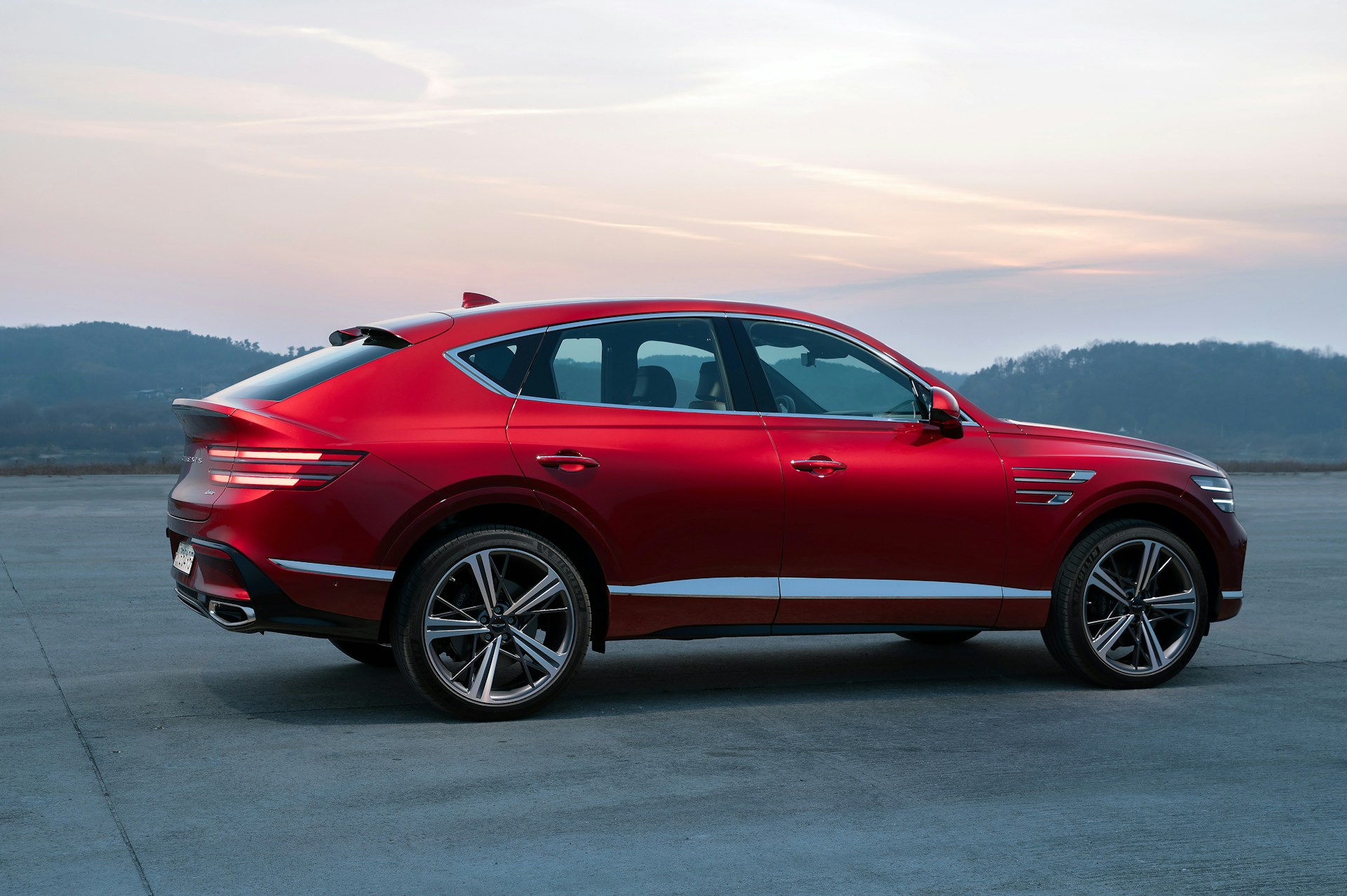
Design Your Genesis EV Test Drive Like a Real Commute
Planning a Genesis test drive in Long Island works best when it feels like real life, not a quick spin around a few blocks. Electric driving can feel different from gas, so you want time to learn how the car moves, charges, and fits your daily routine. A longer, well-thought-out test route can show you how the EV will handle school drop-offs, errands, and weekend trips across the South Shore.
Many Long Island drivers mix town streets, parkways, and busy shopping areas in a single day. That is why it helps to plan a route that includes stop-and-go traffic, steady highway speeds, and a few short stops. Starting from West Islip, you can easily blend Sunrise Highway, local roads, and nearby chargers into one smart loop that feels like your normal drive. In late spring and early summer, EVs often show better range in mild weather, but AC use, beach traffic, and work zones can still change how many miles you get from each charge.
Mapping a Smart Long Island Route for Your Genesis EV
A good test route starts and ends at the dealership and loops through the areas you actually use. From West Islip, it is simple to mix neighborhood streets with Sunrise Highway and the Southern State Parkway so you can compare low-speed and higher-speed driving in one outing.
You might structure your test drive like this:
- A local street loop through town streets, schools, and shopping areas to feel how the EV handles tight turns, parking lots, and low-speed traffic
- A highway section on Sunrise Highway or the Southern State Parkway to feel passing power, lane changes, and cabin noise at speed
- A short pass through busier zones with more lights and cross traffic to see how the car behaves when traffic stacks up
Try to time your Genesis test drive in Long Island around when you usually drive. If your normal commute is during rush hour, that is when you will see how the EV deals with slower traffic. If most of your trips are mid-day or later in the evening, plan for that instead. If you often visit South Shore beaches, a quick leg toward those coastal routes can show you how extra traffic and AC use affect range.
When the distance works, add one of your own real stops, such as:
- Your workplace or regular office area
- A school you visit often
- A shopping center, gym, or grocery store you use weekly
Seeing your Genesis EV at your usual parking spot or driveway makes it easier to picture true ownership.
Stoplights, Highways, and Regenerative Braking in Action
Electric driving feels different, mostly because of regenerative braking. When you lift off the accelerator, the Genesis EV can slow down and send energy back into the battery. Long Island stop-and-go driving is perfect for feeling this right away.
Pick a stretch with:
- Frequent stoplights or stop signs
- School zones or lower speed limits
- A main retail strip with turns in and out of lots
Use this part of the route to try different regeneration levels in the vehicle settings. See how quickly you get used to slowing the car with just the accelerator, often called one-pedal-style driving. Pay attention to how natural the brake pedal feels when you need to stop faster, such as when a light turns red or a car pulls out.
Highway sections feel different. At steady speeds, there is less chance to recapture energy, so the car will often use more energy per mile than on slower sections. The drive will likely feel smooth and quiet, but on warm days, higher speeds and steady AC use can bring the displayed range down faster.
A simple way to understand your own pattern is to repeat one short loop two ways:
- Version A: More highway, fewer lights
- Version B: More town streets, more lights and slower speeds
Watch the efficiency display in mi/kWh on the cluster and infotainment screen after each loop. Compare the numbers so you can see how your own mix of driving might change the total range you would get on a full charge.
Planning Level 2 and DC Fast Charging Stops Nearby
To really feel what Genesis EV life is like, it helps to try both main public charging types on your test drive. Level 2 charging is the kind many people use at home or at places where they park for a while, like stores or public lots. It adds range more slowly, which is fine if the car sits for a few hours. DC fast charging is for quick top-ups on longer drives, like a day out across Long Island.
Work a planned Level 2 stop into your route. Choose a spot like:
- A shopping center with public chargers
- A town or village lot with Level 2 stations
- A workplace area you might visit in the future
While the car charges, explore the EV charging screens, watch how the car shows charge time, and think about how you would plug in while running errands.
If you can, add a DC fast charging stop too. Use a charging app on your phone or the car’s built-in tools to:
- Find a nearby fast charger
- Get directions and drive there as part of your loop
- Plug in, start the session, and watch the charging curve and time estimate
In warmer months, batteries often accept charge more quickly than in colder weather, which is nice to see during your test. This is also a good time to learn how things like preconditioning, cabin temperature settings, and current battery level can change charging speed.
Evaluating Comfort, Tech, and Ownership Costs on the Road
While the electric powertrain is exciting, the driving experience is about comfort and ease too. During every part of your planned route, pay attention to:
- Seat support and driving position after 20 to 30 minutes
- Visibility in tight parking lots and at busy intersections
- Cabin noise from wind and road, especially on parkways
- Ride quality over patched pavement, potholes, and speed bumps
Genesis EVs also bring a lot of useful tech. On your test drive, try out:
- Driver-assistance features in traffic and on the highway
- Navigation with EV routing and charging suggestions
- Smartphone pairing for calls, music, and maps
- Drive modes that change throttle response and steering feel
Keep an eye on the real-time efficiency and projected range as you move between town streets and highways. With those numbers, you can estimate how many miles you would drive in a normal week and how much energy that would use. Then you can compare that to your current gasoline use and think about possible savings, especially if you can charge at off-peak times at home.
As you drive, think about where you would charge:
- In a garage or driveway with a Level 2 unit
- At shared chargers in your building or neighborhood
- At public stations near places you already visit
New York drivers may also have access to certain EV incentives, and Genesis electric models come with specific warranty and maintenance plans. Treat the test drive as a full rehearsal of ownership, from how you sit in the car to where you would plug it in at night and how often you would use public chargers.
Schedule Your Genesis EV Route Test Drive Today
A Genesis test drive in Long Island becomes much more useful when it is planned around your real life, your normal roads, and the way you expect to charge. At Genesis of the South Shore in West Islip, we encourage drivers to bring along a typical passenger, child seats, and even your usual bags or gear so you can see how the space feels on a real day of driving. Working with a product specialist to map out your custom route, including stop-and-go segments, highway stretches, and optional charging stops, turns a simple test drive into a clear picture of what electric ownership could look like for you on the South Shore.
Experience Luxury Performance on Your Terms
If you are ready to feel how a Genesis responds on the road, schedule your Genesis test drive in Long Island with Genesis of The South Shore today. Our team will walk you through features, answer your questions, and help you compare trims so you can choose with confidence. Reach out anytime through our contact us page to book your visit or request more information.
