
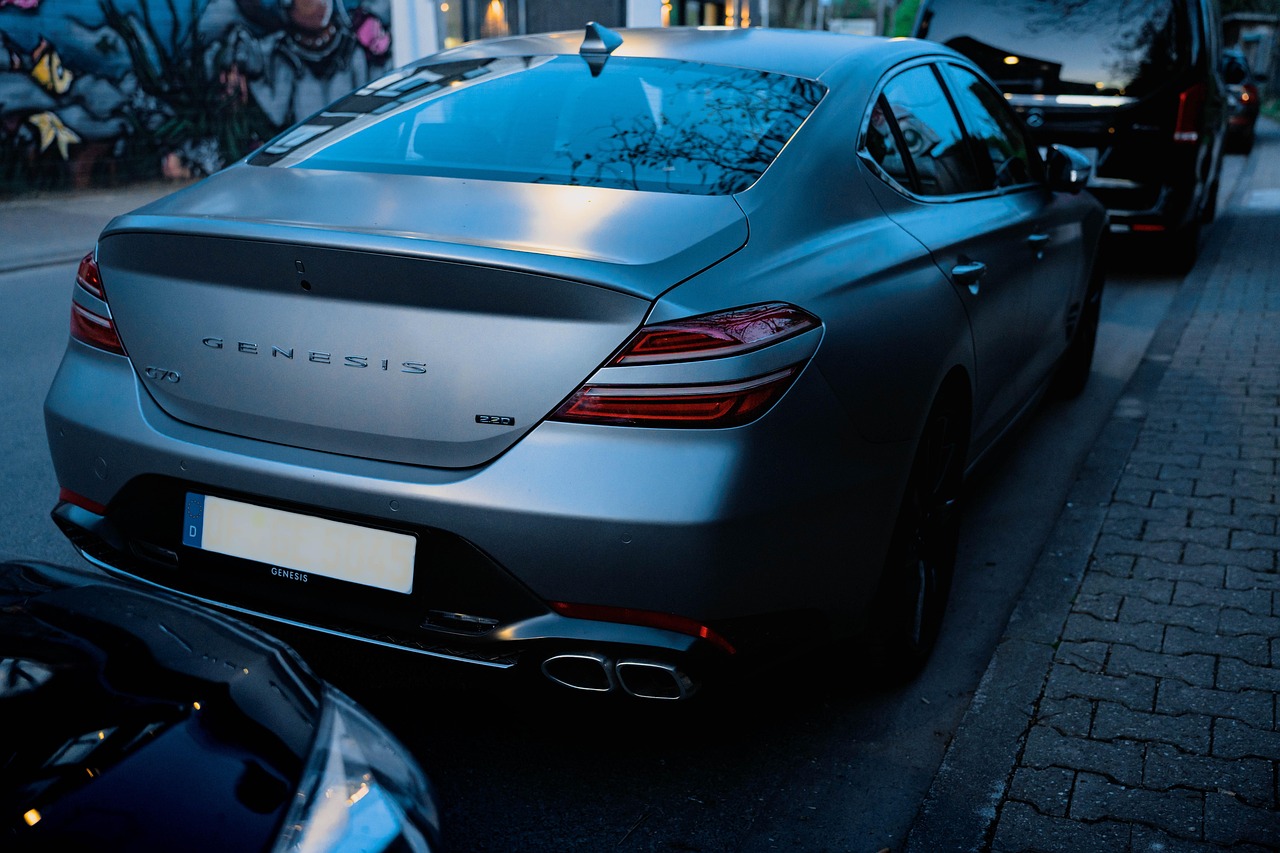
See and Be Seen on Long Island Roads
Taillights are easy to forget until something goes wrong. For drivers on Long Island, they quietly protect you during dark commutes, heavy rain, and foggy mornings, especially when traffic is tight and drivers are following close behind. When taillights are not working right, other drivers cannot react in time, and that can turn a normal drive into a scary moment fast.
On Sunrise Highway at dusk, during a weekend ride out toward the Hamptons, or in stop-and-go traffic on the Southern State Parkway, your taillights are working every second you are on the road. Even luxury models can have small taillight issues that are hard to notice from the driver’s seat. Paying attention to those small signs now can help you avoid tickets, fender benders, and bigger repairs later.
We see how often taillight problems sneak up on drivers, and how local road and weather conditions on Long Island make things worse. That is why having a trusted local team to check, repair, and care for your taillights makes such a big difference in day-to-day driving safety.
Hidden Visibility Risks Long Island Drivers Ignore
Many taillight problems start small. One running light is a little dim, a brake light blinks off and on when you hit a bump, or a turn signal works sometimes and fails at other times. In bright daylight you might never notice, and other drivers might only see a small flicker and move on. At night or in heavy rain, though, those same issues can mean drivers behind you cannot tell if you are slowing down or changing lanes.
Long Island roads add their own twist. Salt air near the South Shore, leftover road salt from winter, and steady coastal moisture can speed up corrosion on metal parts and wiring. Over time, this can affect the taillight sockets, connectors, and even the internal circuits that control lighting on modern Genesis models. What starts as a light film of salt and moisture can turn into poor connections and lighting that fails when you need it most.
High traffic density across Long Island makes these small problems more dangerous. When traffic suddenly slows and your brake lights do not shine as bright or as fast as they should, the driver behind you has less time to react. Even a short delay in brake light response can raise the chance of a rear-end tap in heavy stop-and-go lines.
A simple check at home can catch a lot of these hidden problems before they surprise you in traffic. At least once a month, and before long drives, have someone stand behind your vehicle while you:
- Turn on the headlights to check running lights
- Press and hold the brake pedal
- Use left and right turn signals
- Turn on the hazard lights
- Shift into reverse to check backup lights, if safe to do so
If anything looks dim, flickers, or does not match side to side, it is time to have the lights professionally checked.
Common Genesis Taillight Mistakes in Long Island Weather
Many issues with Genesis taillights in Long Island come from drivers underestimating how much weather and road grime can block light. Spring showers kick up dirty spray, fog settles in along the water, and old winter sand and salt build up on the rear of your vehicle. If taillight lenses stay cloudy or dirty, your lights might be working fine, but they are not shining through the way they were designed to.
Another common mistake is ignoring moisture inside the taillight housing. A little fog or a few drops behind the lens might not seem like a big deal, but that moisture can lead to corrosion on internal parts and affect long term reliability. Over time, this can cause problems such as:
- Intermittent light failures
- Shorter bulb or LED life
- Electrical warnings on the dash
- Staining or discoloration of the lens
Those small drips often start with tiny flaws in the seals around the taillight. On Long Island, quick temperature swings and humid air in early spring can cause seals to expand and contract. That slow movement can create micro cracks that let water sneak in during rainstorms or car washes. Once water gets inside, it is hard for it to dry out without professional attention.
Another mistake is brushing off dashboard warning lights. Many newer Genesis models can detect problems in the lighting system and alert you. Ignoring those warnings might mean driving around with a hidden problem that only shows itself in the worst possible moment, such as when you brake hard in traffic and one light fails.
Seasonal care before the spring road trips can help prevent these issues. A professional inspection, careful lens cleaning, and seal checks help keep Genesis taillights in Long Island bright and reliable, even when the weather cannot make up its mind.
DIY Taillight Fixes That Can Cost You More
It can be tempting to fix taillight issues yourself. Quick fixes might seem easier than setting up an appointment, but modern Genesis taillights are part of a much more advanced system than older vehicles.
Common DIY habits that can cause trouble include:
- Swapping in bargain bulbs that do not match factory specs
- Patching cracks with random tape or sealant
- Installing aftermarket taillight units that do not match original design
- Tapping into wiring for extra lights or accessories
On modern Genesis models, taillights often work together with sensors and onboard electronics. Wrong bulbs can create extra heat or draw the wrong voltage. This can damage sockets, wiring, or even control modules. Improper wiring connections can send bad signals through the system or confuse onboard diagnostics, which are designed around factory equipment.
There are also legal and inspection concerns to think about. Aftermarket lighting that does not match approved brightness or color can create problems at inspection and reduce safety in real traffic. In some cases, changes or non-approved repairs might affect parts of your warranty coverage, especially if they cause damage to connected systems.
Using genuine parts and professional service keeps the lighting system working as designed. That means the right brightness, correct color, and proper communication between the taillights and the rest of the vehicle electronics.
How Professional Genesis Service Protects Your Taillights
For something as small as a taillight, a detailed inspection can make a big difference. A professional check typically includes:
- Testing all bulbs and LEDs for brightness and response time
- Inspecting wiring and connectors for corrosion or looseness
- Checking for moisture or damage inside the housings
- Using diagnostics to scan for lighting system fault codes
For Genesis taillights in Long Island, a team that understands local conditions can spot early trouble signs. Corrosion patterns from salt, common leak points from heavy coastal rain, and wear that shows up after long commutes in slow traffic are all easier to catch when a technician sees these issues every day.
Fixing a small leak or cleaning early corrosion now often prevents more serious repairs later, like a full wiring harness or lens replacement. Taking care of these issues early keeps your Genesis looking sharp and reduces the stress of surprise problems right before an important drive.
Long Island drivers also balance busy schedules. Having factory-trained technicians who work with Genesis models daily, and who keep up with the latest service guidance, helps keep your visits focused and efficient so your taillights and the rest of your lighting system stay ready for whatever local roads bring.
Experience Safer, Sharper Night Drives Today
If you are ready to upgrade or replace your Genesis taillights in Long Island, our team at Genesis of The South Shore is here to help you choose the right fit for your model and driving needs. We can walk you through options that enhance visibility, style, and confidence on every drive. Reach out to our staff so we can help you schedule a visit, review available inventory, and make your taillight upgrade straightforward from start to finish.
