
Protect Your Genesis Handling and Tires All Summer
Wheel care is not just about looks; it is about how your Genesis feels every time you pull onto the Southern State or Sunrise Highway. Long Island heat, heavy beach traffic, and rough patches left behind after winter can change how your vehicle tracks on the road and how your tires wear. Small problems can turn into a steering pull, shaky highway drives, or tires that wear out long before they should.
Many drivers mix up wheel alignment and tire rotation or think they are the same thing. They are not. Each service fixes different issues and both matter for safety, comfort, and long-term tire life.
We will break down the difference between Genesis wheel alignment and tire rotation, explain how Long Island roads and summer weather can change when you need each one, and share how a smart maintenance plan keeps your Genesis feeling smooth and steady.
Wheel Alignment Basics for Genesis Drivers on Long Island
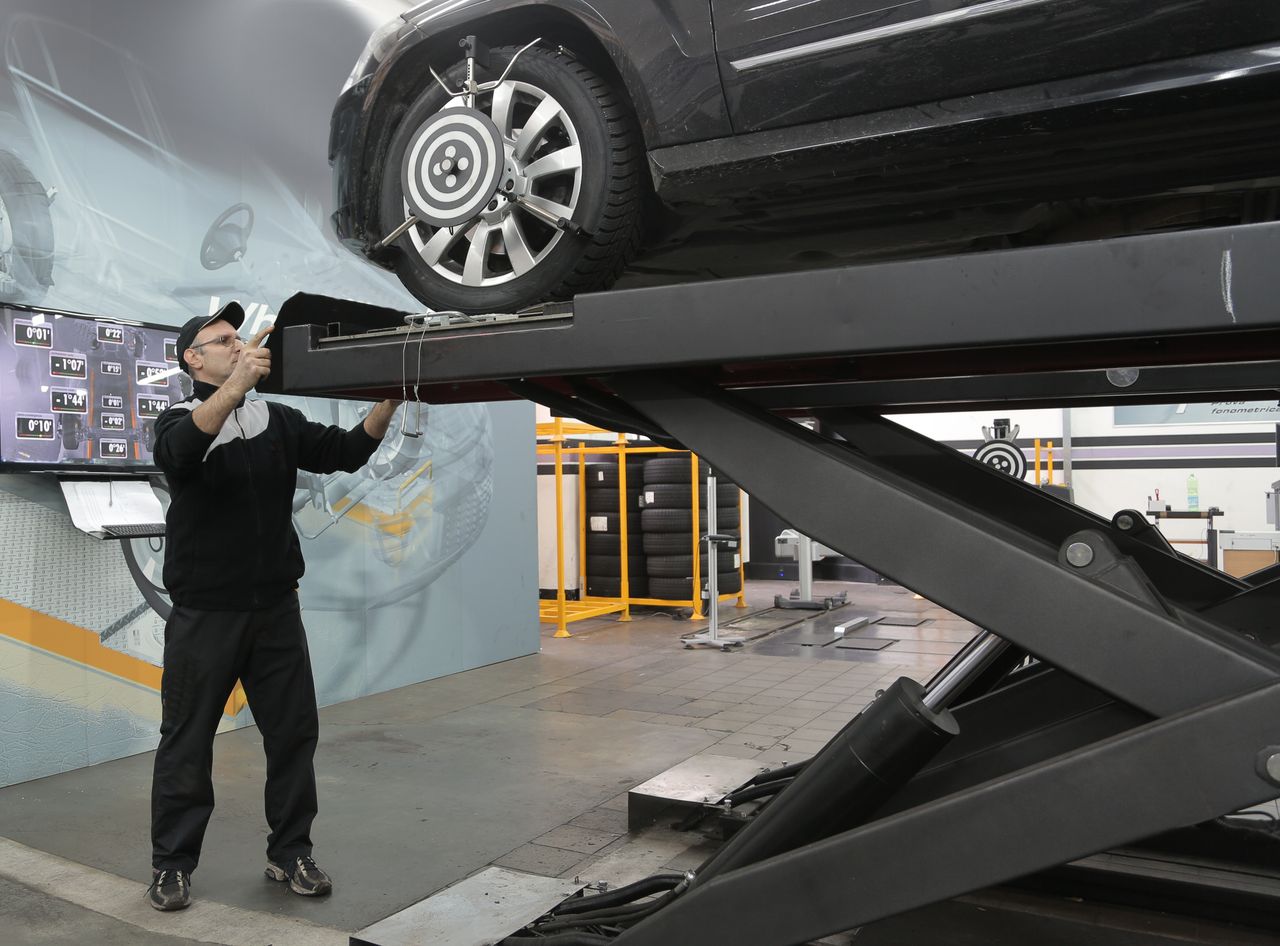
A wheel alignment adjusts how your wheels sit and roll in relation to your Genesis suspension and the road. The goal is simple: each wheel should point in just the right direction and at the right angle so your vehicle tracks straight and your tires wear evenly.
When we perform a Genesis wheel alignment in Long Island, we look at three main angles:
- Camber, the inward or outward tilt of the tire when you look at it from the front
- Toe, whether the tires point inward or outward when viewed from above
- Caster, the tilt of the steering axis that helps with stability and steering return
When these angles are out of spec, you may notice:
- Your Genesis pulling to one side on the Southern State Parkway or LIE
- A steering wheel that is off-center even when driving straight
- Uneven tire wear, such as more wear on the inside or outside edge
- Vibration or a loose, wandering feeling through the steering wheel
On Long Island, it does not take much to throw things off. Potholes that show up after winter, hidden bumps in construction zones, hitting a curb while squeezing into a tight village parking spot, or taking a speed bump a bit too fast in a beach town can all knock your wheels out of alignment. Over time, these hits add up, especially with heavier traffic and stop-and-go driving in summer.
That is why having your alignment checked on a regular basis, and any time you feel a change in how your Genesis drives, is a smart move.
Tire Rotation Demystified: Why It Still Matters
Tire rotation is different from alignment. Instead of changing angles, we change positions. We move each tire from one spot on the vehicle to another, following a pattern that fits your Genesis model and tire setup.
The purpose is to spread wear more evenly so you get the most life and best grip from all four tires. On many Genesis models, the front tires wear faster because they handle most of the steering and a lot of the braking. If they stay in front for too long, you can end up with:
- Tires that wear out in pairs instead of as a full set
- More road noise and vibration
- Less even traction in wet or hot conditions
By swapping front and rear tires, and sometimes crossing sides depending on the tire type, we balance out those forces. The result is a smoother ride and a more even tread pattern.
Tire rotation is usually recommended every 5,000 to 7,500 miles or along with regular oil changes. On Long Island, that schedule becomes even more important because:
- Summer road trips add quick highway miles
- Stop-and-go traffic toward the beaches heats up the tires
- Hot pavement and high temperatures can speed up wear
Sticking to a solid rotation routine helps keep surprises away, especially before long weekend drives or regular commutes.
Genesis Wheel Alignment in Long Island vs. Rotation
Wheel alignment and tire rotation work together, but they are not interchangeable. An easy way to remember it is this:
- Alignment changes how the wheels point and sit
- Rotation changes where each tire sits
If a Genesis is out of alignment and you only rotate the tires, you may just move the uneven wear around. The tires will still scrub, pull, or wear wrong because the underlying angles are still off. On the other hand, if the alignment is perfect but you never rotate, the front tires can still wear faster than the rear.
Here is when to think about each service:
- Alignment, after hitting a deep pothole, curb, or large bump, if you feel pulling, drifting, or see uneven wear, or after any suspension or steering repairs
- Rotation, on a steady mileage schedule even if the vehicle feels fine, often along with routine maintenance visits
At a dedicated Genesis service center, trained technicians use alignment equipment set up to match Genesis factory specifications. That means they can set camber, caster, and toe to where they should be for your exact model, whether you drive a G70, GV70, G80, GV80, or G90. The same goes for rotation patterns; they follow the right pattern for your tire type, drive system, and wheel setup, which helps support your vehicle systems and keeps your premium wheel and tire package in good shape.
How Heat and Potholes Change Your Summer Service Plan
Long Island roads go through a lot as seasons change. Winter can open cracks and create potholes. Summer heat can expand the pavement and deepen those weak spots. Add more road construction, beach traffic, and detours, and your Genesis has plenty of chances to hit rough patches.
All of this affects your alignment and your tires:
- Repeated hits to potholes or broken pavement can slowly push angles out of spec
- Higher temperatures raise tire pressure and can make existing wear patterns more obvious
- Long, hot highway drives can magnify any vibration or pull you already have
Because of that, many drivers find it helpful to think in terms of a seasonal rhythm:
- Spring, alignment check and full tire inspection after winter damage
- Year-round, tire rotations at the recommended mileage or with each service visit
- Mid to late summer, an extra look at tire wear, pressure, and how the vehicle tracks before big trips or busy commute periods
Catching issues early can prevent uneven tread from turning into a safety concern or a set of tires that needs to be replaced sooner than expected.
Keep Your Genesis Gliding Smoothly on Long Island Roads
If your Genesis pulls to one side, the steering wheel sits crooked, or you feel vibration through your hands, those are signs to pay attention to. The same goes for tires that look more worn on one edge, or a change in how quiet and refined your drive feels on your usual Long Island routes.
Pairing a regular schedule of tire rotation with a Genesis wheel alignment in Long Island when needed keeps your luxury vehicle driving the way it was built to drive. Adding a multi-point inspection while your Genesis is in the service lane can uncover other small items that are easier to fix early, so your daily commute, weekend beach runs, and longer trips stay smooth, safe, and relaxed as you move from summer into fall.
Keep Your Genesis Driving Smoothly And Safely
If your steering feels off or your tires are wearing unevenly, our factory-trained technicians at Genesis of The South Shore are ready to help restore precise handling. Schedule your Genesis wheel alignment in Long Island so your vehicle tracks straight, protects its tires, and maintains optimal performance. We will inspect your suspension, adjust alignment to spec, and explain any issues in clear terms. If you have questions before booking, you can contact us for personalized guidance.
