
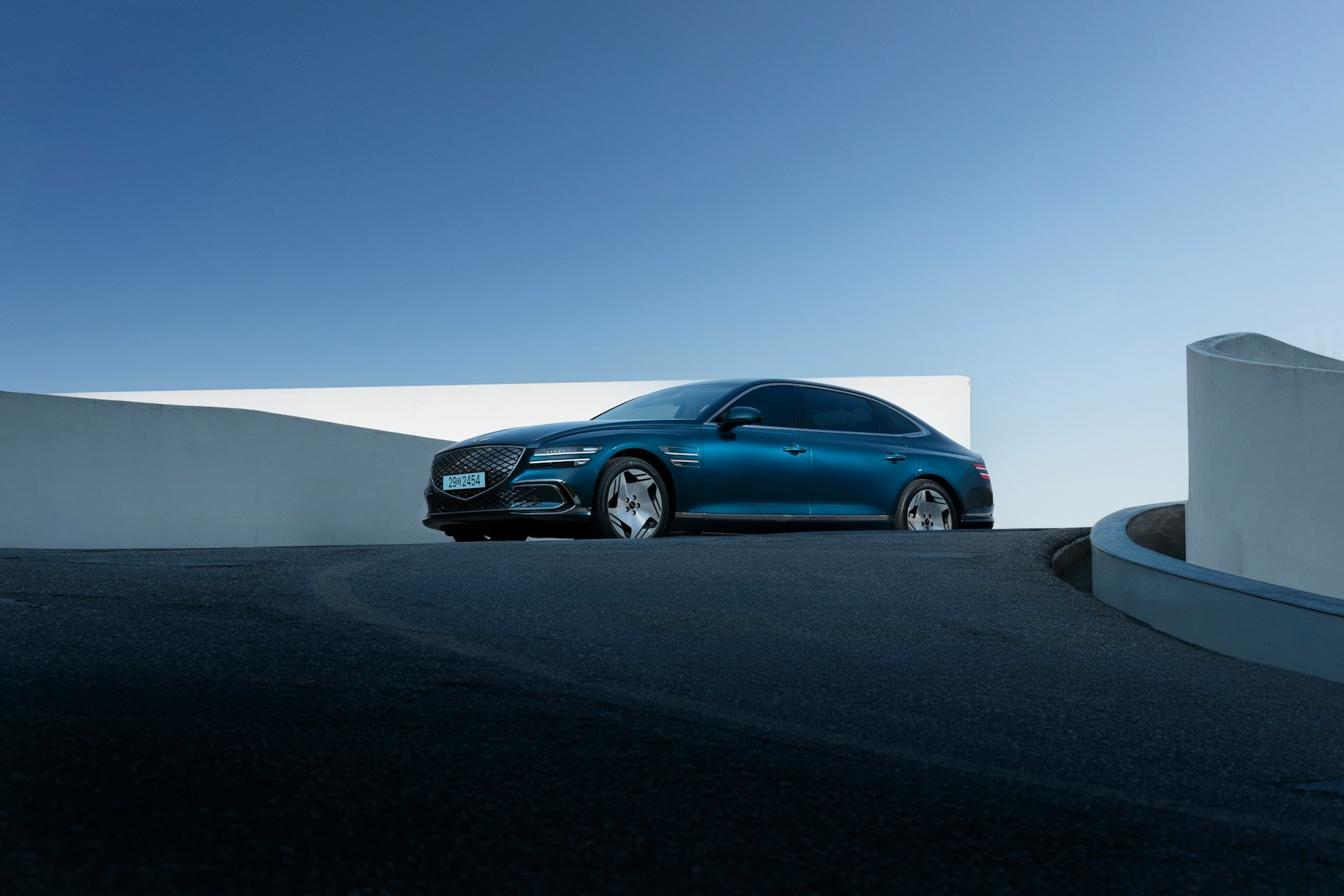
Stop Sooner, Drive Safer: Why Your Genesis Brakes Matter
Your Genesis can only be as safe as its brakes. Pads, rotors, calipers, and the ABS system all work together to turn your speed into smooth, controlled stops, and they do it every time you press the pedal. When any part of that system is worn, your stopping distance can grow, even if the car still feels "normal" around town.
Modern Genesis models use disc brakes at each wheel. The brake pads squeeze against metal rotors when hydraulic pressure moves the calipers. The ABS system quickly controls pressure so your wheels keep traction instead of locking up. On Long Island, where you deal with stop-and-go traffic on the LIE, quick slowdowns on Sunrise Highway, and salty coastal air, these parts work hard and wear faster than many people expect.
That is why many drivers ask one big question: when it is time for Genesis brake pad replacement in Long Island, should you choose original Genesis parts or aftermarket ones, and what should you expect to pay at a dealership service department?
How to Tell Your Genesis Needs New Brake Pads
Brake pads rarely fail all at once. They send you warning signs first. Common signs your Genesis may need new pads include:
- High-pitched squealing when you brake
- Grinding or scraping sounds that do not go away
- A vibration in the pedal or steering wheel when slowing down
- The car taking longer to stop than it used to
- A brake system warning light on the dash
Many Genesis sedans and SUVs can go a good distance on a set of brake pads, but that range is only a rough guide. City-style driving around Long Island, lots of short trips, and busy summer beach traffic with frequent stops can shorten pad life quite a bit. Driving with heavy loads or riding the brakes on parkways can also wear pads faster.
We suggest being proactive, not waiting for scary noises. Before fall and winter weather, it helps to have your brakes checked so you are ready for wet roads and colder temps. During routine service, trained technicians can:
- Measure brake pad thickness at each wheel
- Inspect rotor surfaces for grooves, rust, or heat spots
- Look at calipers, brake lines, and hardware
- Note any uneven wear that could point to other issues
Catching thin pads early protects your rotors and helps prevent more involved repairs down the road.
OEM vs. Aftermarket Brake Pads and Rotors Explained
When it is time for brake work on a Genesis G70, G80, G90, GV60, GV70, or GV80, you will usually be offered OEM parts, aftermarket parts, or sometimes both. It helps to understand the difference.
OEM brake pads and rotors are made to match the parts your Genesis was built with. They are engineered for:
- Consistent stopping power and pedal feel
- Proper fit with your calipers and brackets
- Noise and vibration levels that suit a luxury cabin
- Brake balance that works with your ABS and stability systems
Aftermarket parts are made by third-party companies. Some are high quality, others are more budget-focused. Common differences compared to OEM include:
- Material quality that can change pedal feel
- Small fit or finish differences that may cause noise
- More or less brake dust on your wheels
- Different warranty coverage and support
OEM parts are strongly recommended if:
- You lease your Genesis and want to keep it to factory spec
- Your vehicle is still under factory warranty
- You drive a performance model and care about feel and control
Some owners of older vehicles may explore certain well-known aftermarket pads or rotors. Even then, many prefer dealer-installed OEM components because of the consistent performance, match to the original setup, and support from a Genesis-focused service team.
Genesis Brake Pad Replacement Costs on Long Island
Genesis brake pad replacement in Long Island can vary in price based on model, pad type, and whether the rotors also need work. Front brakes often handle more of the stopping load, so they may need attention more often than the rear. In some visits, only pads are replaced. In others, the rotors may be resurfaced or replaced along with the pads for best results.
At a dealership service department, a typical brake service often includes:
- New brake pads for the needed axle or axles
- Labor from technicians who work with Genesis vehicles every day
- Resurfacing or replacing rotors if they are worn or damaged
- Brake hardware inspection and cleaning
- A brake fluid check and top-off if needed
- A broader multi-point inspection of your vehicle
Seasonal factors can influence how busy the shop is and which savings are available. Service departments may offer late-summer or back-to-school brake specials, online coupons, or service packages that bundle brake checks with other maintenance. While quality pads and rotors can cost more than quick, low-end parts, they can help prevent extra wear on other components, which can save money in the long run.
What to Expect During Your Dealership Brake Service Visit
If you bring your Genesis in for brake work, the process is usually simple and clear. You can start by setting a time that works for you often through an online form or by talking with a service team member. At check-in, the advisor will ask about any noises or changes you have noticed and record your concerns.
From there, the visit typically looks like this:
- Initial road test if needed to confirm noises or vibrations
- Visual inspection of pads, rotors, and calipers
- Measuring pad thickness and rotor condition
- Technician recommendations shared with you, along with clear pricing before work starts
Brake pad replacement can often be completed within a few hours, depending on parts availability and whether rotors are serviced. Service departments may offer options like a shuttle or loaner vehicles in some cases, or you can wait in a customer lounge with seating and basic amenities.
Before your Genesis is returned, the technician test-drives it to confirm pedal feel, stopping power, and noise levels. Many shops now provide digital inspection reports or photos so you can see the condition of your old pads and rotors, which helps you understand exactly what was done.
Seasonal Brake Care Tips for Long Island Genesis Drivers
On Long Island, brakes deal with a mix of heat, humidity, sand, and salt. A few simple habits and checks can help keep your Genesis stopping smoothly.
As late summer moves toward fall, it is smart to:
- Have pad life checked before school traffic picks up
- Inspect rotors for surface rust, especially after beach trips
- Address any pulsing or shaking before rainy autumn weather sets in
Daily driving habits also matter. To help extend brake life:
- Maintain safe following distances on the LIE and Sunrise Highway
- Ease into stops instead of late, hard braking
- Take your foot off the accelerator earlier when you see a red light ahead
- Avoid resting your foot on the brake pedal while cruising
Regular visits for maintenance like tire rotations, wheel alignment checks, and brake inspections help keep your Genesis balanced and stable under braking. When trained technicians see your vehicle on a steady schedule, they can spot small changes before they turn into bigger problems, so your brakes stay ready for every trip around West Islip and the rest of Long Island.
Restore Confident Stopping Power For Every Drive
If your brakes are starting to squeal, feel soft, or make you second-guess your stopping distance, our team at Genesis of The South Shore is ready to help. Schedule your Genesis brake pad replacement in Long Island so we can inspect your system, install quality components, and get you back on the road with confidence. If you have questions about symptoms, pricing, or appointment availability, simply contact us and we will walk you through your options.
